From Matt Habash, President and CEO | July 7, 2025
To our customers, neighbors, and agency partners:
At Mid-Ohio Food Collective, we have always made the most of what we have—just like the people we serve do every day. In recent years, our network has risen to the challenge of meeting a record level of hunger. The need for our services has nearly doubled since 2018 as the cost of living has increased. In 2024, families across MOFC’s 20-county service area visited their local food pantries 1.84 million times—more than 5,000 families were served each day.
Throughout the pandemic, supply chain disruptions, and historic inflation, MOFC has been able to distribute more food with the support of our government and community partners. We are deeply grateful for the support that MOFC has received in recent years.
Unfortunately, cuts to food banks’ funding and harmful policy changes are now straining a hunger relief system that was already stretched thin. The new state budget returns funding for food banks to 2019 levels, taking $3 million dollars’ worth of food off MOFC’s shelves over the next two years.
As MOFC has made clear to lawmakers, this funding is not enough to meet the challenges we face today. We are now forced to make difficult choices that will affect our customers and partner agencies across central and eastern Ohio.
What this means for our customers and partner agencies:
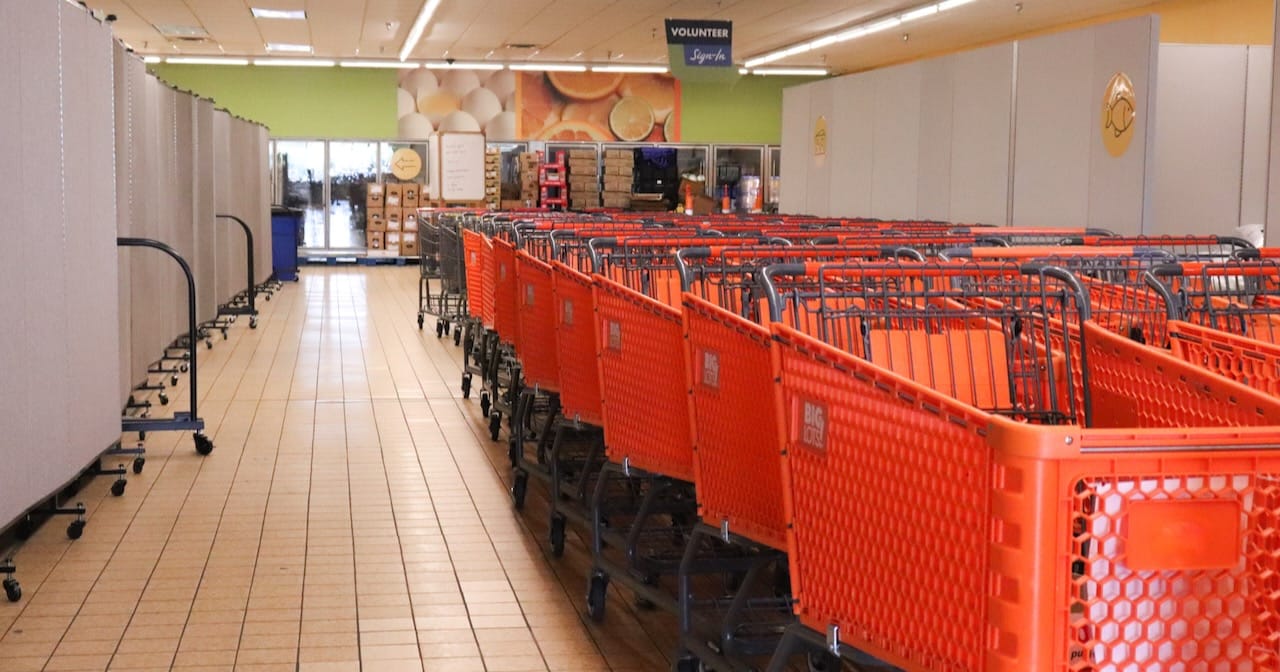
- There will be less food at local pantries for our hungry neighbors. Unless we get additional help from government sources, we expect customers’ shopping carts will be less full.
- MOFC will continue prioritizing nutritious, cost-effective fresh produce.
- As a result of government cuts, there may be fewer shelf-stable items at pantries (such as canned goods, rice, and pasta).
- MOFC will be more reliant on food donations. Harder-to-get items like eggs, milk, and meat will be available at food pantries less consistently.
- Hungry Ohioans in rural communities in which business and retail donations are limited will likely face the deepest effects.
We know that these painful changes will be felt in local pantries and in families’ homes. That’s why MOFC is fully committed to doing everything we can to fight hunger and improve community health. We’re increasing food rescue efforts, advocating for robust public policies, expanding fundraising, and driving efficiency across our operations.
But the charitable food system can’t and shouldn’t carry this burden alone. We need local communities, leaders, and neighbors to step up and take care of one another.
We will continue working with our network of dedicated partner agencies toward a shared vision of hunger-free, healthier communities. We will stretch every dollar and every pound of food—as we have for 45 years—to provide fresh, nutritious food to as many of our hungry neighbors as possible.
Our work continues together to do what we can with the limited resources that we have.
Matt Habash
President and CEO
Mid-Ohio Food Collective