
Volume 1, Issue 5 (November 11, 2025)
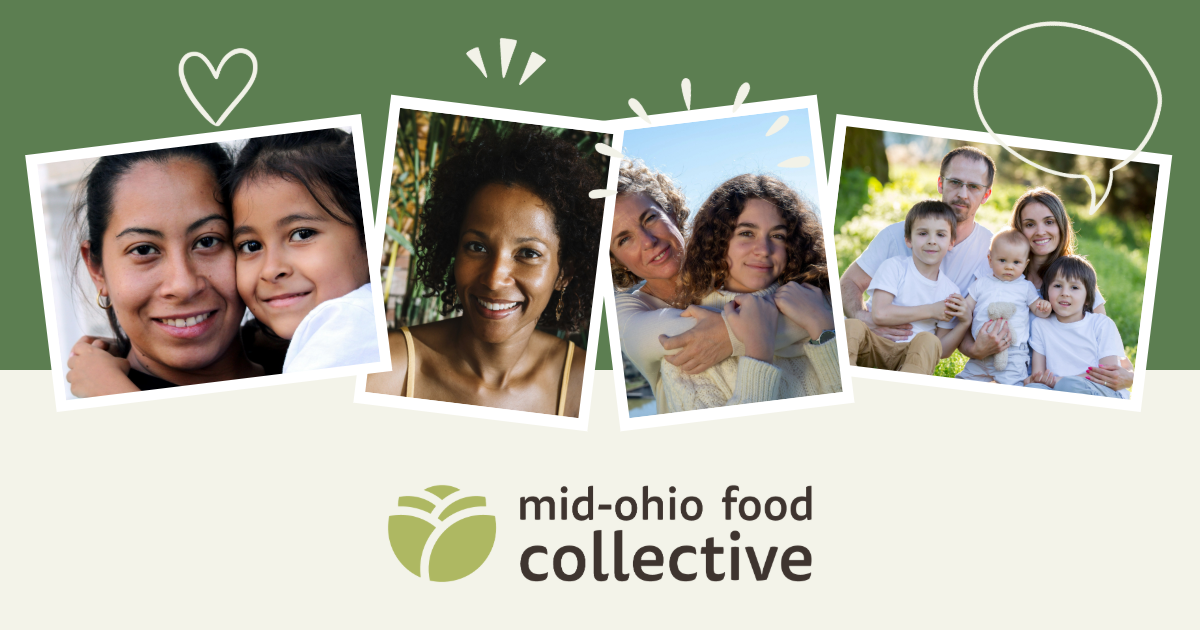
Welcome to MOFC Story Bites, where we share bite-sized stories about real people living with or fighting food insecurity. For this edition, we talked to four neighbors living with the real-life consequences of the federal government shutdown. At the time of publishing, 1.4 million Ohioans are without their Supplemental Nutrition Assistance Program (SNAP) benefits for November.
Amber

SNAP benefits have been a lifeline for Amber and her five kids since her heart attack seven years ago. Her husband has a full-time job, but he doesn’t make enough money. SNAP benefits and food pantries are how the family gets by.
Amber’s SNAP benefits were supposed to come last week. With the federal government shut down, all she has is the same 42 cents on her EBT card that she had a month ago.
“I can’t even buy a bundle of bananas with that,” she said.
Amber’s youngest daughter had a birthday on Sunday. Buying the ingredients for a cake felt like a breaking point.
“I used the last $4 I had stashed away to buy milk this morning,” Amber said through tears. “I used the last of my flour too. My son’s birthday is next week, and I don’t think I’m going to be able to make him a cake.”
Amber is trying to stay strong for her kids, but she’s worried about how to keep food on the table each day, especially with the holiday season ahead.
“Those in Congress are still getting paid,” said Amber. “Meanwhile, I don’t know how I’m going to feed my kids next week.”
At our customer’s request, MOFC has used a stock image and pseudonym for this story for privacy reasons.
liz

Liz and her husband live on Columbus’ south side with three sons. Their fourth child (a daughter) is due soon. The couple applied for SNAP to fill the gaps left by rising rent and seasonal pauses in Liz’s husband’s job. But with the government shutdown, they’re still waiting for the help to arrive.
“We just got approved for $162 in October, and that’s about two thirds of our grocery budget,” Liz said. “We’ll see if it gets filled or not.”
“We have about $50 to our names until next Friday,” she added. “We’ve been putting food on credit cards the last six months, and we’ll keep paying $30 a month on credit just to eat.”
Liz said she doesn’t care who’s at fault for the political stalemate. Congress should be focused on doing their job, she said. Meanwhile, she’s focused on controlling what she can. Sometimes, that means stopping at a drive through with the boys. Little moments of happiness for the kids are worth sacrificing for, she said.
“I go without haircuts, clothes, shoes so I can afford $20 to get them a strawberry milkshake. I will gladly walk into my soles before giving up their milkshake once a month,” she said, gesturing to her worn sneakers.
At our customer’s request, MOFC has used a stock image and pseudonym for this story for privacy reasons.
miranda

Miranda usually gets SNAP benefits to help her put food on the table for herself, her son, and her grandchild. Those benefits have been disrupted by the federal government shutdown, and she’s relied on pantries and emergency food distributions to get by.
“They’re still eating, but we’re supposed to figure it out for ourselves?” she said, referring to federal lawmakers. “It’s not fair.”
For Miranda and many of her neighbors, the past few weeks have been tough. Making do was hard enough with rising food prices, higher rents, and a tough job market, Miranda said.
Missing out on SNAP payments will make getting by even harder. Pop-up food distributions set up by the City of Columbus are helping, she said, but it’s not a long-term replacement for monthly SNAP benefits. To Miranda, the federal shutdown and SNAP disruption are almost beyond belief.
“I don’t understand. I don’t get it,” she said, shaking her head. “It should never be a privilege to put food on the table for your family. No one should go hungry—no one, no one, no one.”
At our customer’s request, MOFC has used a stock image and pseudonym for this story for privacy reasons.
Hope

Hope’s family never needed food assistance before the U.S. government shut down this fall. Her husband works for a federal agency, and she’s a full-time mom to young kids. The family made ends meet for weeks, but they finally needed help after a month of missed paychecks. They found it at the Mid-Ohio Market at Gantz Road.
“This was my first time ever visiting a food pantry. This situation pushed us to explore something new,” Hope said. “I’m extremely grateful to Mid-Ohio Food Collective. This helps ease the stress and gives us some peace. We’re going to have something to eat tonight.”
The past few weeks have been an “emotional roller coaster” of uncertainty and stress, she said. While Hope’s husband found temporary work, it pays a fraction of his usual salary. On top of that, their youngest child needs full-time care, which makes it hard for Hope to work outside the home.
To keep her spirits up, Hope prays and thinks about how she’ll volunteer at a pantry or food bank when the shutdown is over. In the meantime, she encourages other families to get help if they need it.
“Many people are suffering because of this shutdown. You’re not alone, and you shouldn’t feel ashamed,” Hope said. “It’s a blessing to have these resources, and I’m glad they are available for people in need in these tough times.”
At our customer’s request, MOFC has used a stock image and pseudonym for this story for privacy reasons.


